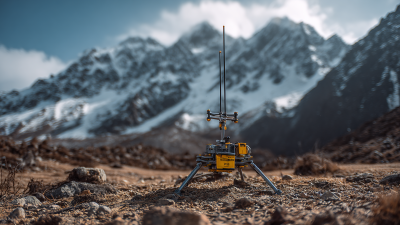
When you're diving into surveying and mapping, picking the right equipment really makes a difference. Take the Carbon Telescopic Pole GNSS, for example — it’s lightweight, yet solid in performance, which is pretty impressive. Big names like Leica and Trimble are definitely leading the charge with innovative gear, but honestly, not every option out there is on the same level. That can get pretty confusing if you're not careful.
Choosing the right Carbon Telescopic Pole Gnss can seriously boost your accuracy, but there are some things to keep in mind — like how adjustable the height is and what materials it's made from. Some folks have mentioned that it can get a little tricky to keep stable in windy weather, so it’s worth thinking about how you'll use it before making a call. Balancing these factors is key.
A lot of users love how easy it is to carry around, but on the flip side, a few have pointed out that some models might not be the most durable. So, it’s kinda a trade-off between portability and stability. Don't forget — choosing a Carbon Telescopic Pole GNSS isn’t just about the price. It’s really about understanding your specific needs and conditions. Taking the time to consider all these points will help you make a smarter choice in the long run.
Overview of Carbon Telescopic Poles and GNSS Technology
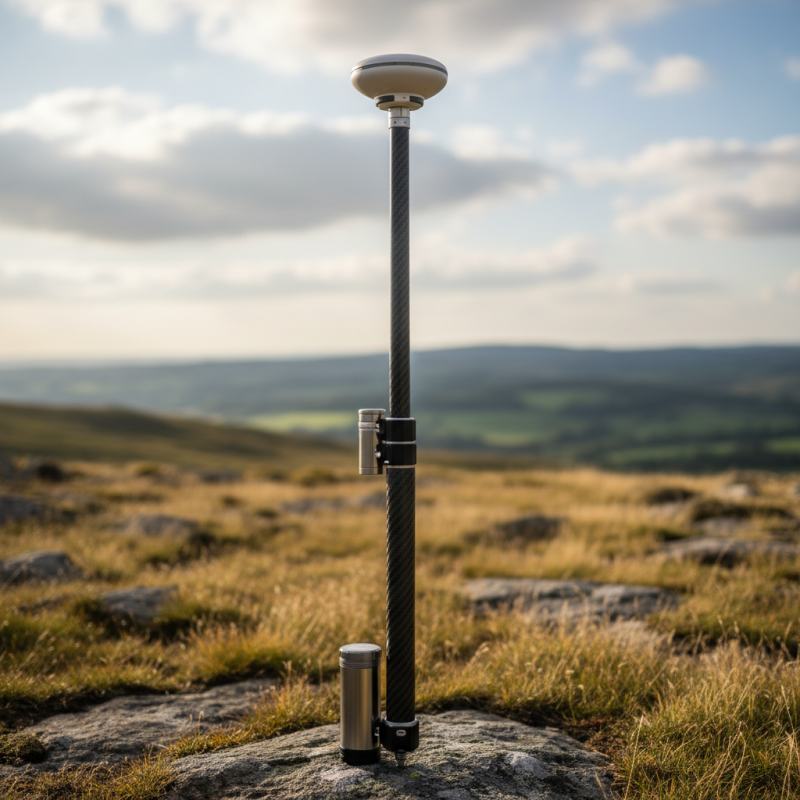
Carbon telescopic poles have revolutionized the world of GNSS technology. These poles are lightweight yet sturdy, making them ideal for fieldwork. Their design allows for easy adjustment in height, which enhances accuracy during surveying. The carbon material is resistant to weather, which helps in maintaining performance in different environments.
Using a Telescopic Rtk Pole can significantly improve the precision of GNSS measurements. Surveyors find that a stable mount ensures better signal reception. A well-constructed pole minimizes vibrations that could distort readings. However, the challenge remains in balancing weight and durability. Not every model is perfect for all conditions. It requires careful selection to match one's specific needs.
Fieldwork often presents unexpected obstacles. Ground stability can affect pole performance. Adjusting techniques may be necessary to achieve reliable results. While many poles perform well, user experience can vary. Operators should test different poles before making a final choice. This helps to identify the best fit for their workflow and environment.
Key Factors Influencing GNSS Accuracy in Telescopic Poles
When selecting a Gnss Pole, various factors affect accuracy. The material of the pole plays a significant role. Carbon poles offer lightweight benefits, but they can be prone to bending. A bent pole leads to errors in measurements. Users should regularly check for any imperfections. Ensuring the pole is straight can prevent costly mistakes.
The height of the GNSS pole also matters. Taller poles might capture signals better, but they can be unstable in windy conditions. A stable base is essential for consistent readings. Users often overlook securing their setup. Additionally, the environment impacts accuracy. Obstructions like trees or buildings can block signals. Finding an open area is crucial. Sometimes, this isn’t feasible, leading to less reliable data.
Calibration is another key aspect. Regular adjustments must be made to maintain precision. Over time, the equipment can drift out of alignment. This can affect the Gnss Pole Carbon's performance. Users must develop habits for routine checks. Inconsistencies can happen unexpectedly, so vigilance is essential for accurate surveying.
Top Features of High-Quality Carbon Telescopic Poles
When choosing a carbon telescopic pole for GNSS applications, it's essential to focus on several key features. Lightweight yet sturdy materials ensure easy handling and stability. A well-built pole should withstand various weather conditions, from gusty winds to sudden rain. Look for poles with a secure locking mechanism. This feature prevents any accidental collapses during usage.
Ergonomics plays a crucial role in user experience. The grip should feel comfortable even during extended use. A non-slip surface can make a significant difference when measuring in challenging environments. Additionally, consider the pole's range. A versatile length adjustment is ideal for different surveying scenarios.
One must recognize that even high-quality poles may present challenges. Sometimes, the adjustments can be tricky, leading to potential errors. Inspecting the locking system regularly is recommended, as wear and tear can affect performance. Remember, even the best technology requires careful handling and maintenance to achieve the desired accuracy.
Comparison of Leading GNSS-Compatible Carbon Poles
When seeking the best Gnss Carbon Fiber Pole, several options stand out. These poles are essential for precise measurements in various applications. Stability and lightweight design are critical factors. A good pole provides better accuracy, which helps with data quality. Many users struggle to find the right balance between durability and weight. This is often a personal preference, which can lead to trial and error.
The market offers a variety of Gnss Carbon Fiber Pole options. Some versions feature adjustable sections, while others focus on rigidity. Each design has its merits. Flexibility can enhance user comfort, but rigidity often aids in data accuracy. Users may need to weigh these trade-offs carefully. Observing real-world performance through reviews can offer insight into these choices.
In practice, the selection often becomes complicated. Users can feel overwhelmed by the choices available. Understanding the specific needs of your project is crucial. Experimentation and hands-on testing can reveal preferences that specifications alone cannot. In the end, finding the right GNSS carbon fiber pole may take time and reflection.
User Recommendations for Selecting the Best Carbon Pole
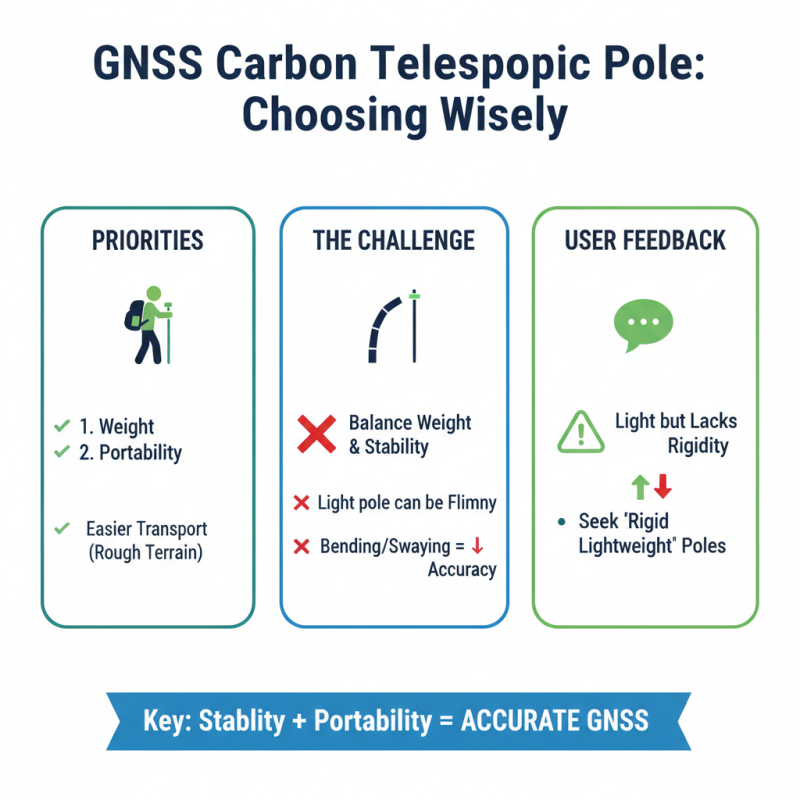
Choosing the right carbon telescopic pole for GNSS can be challenging. Many users prioritize weight and portability. A lightweight pole is easier to transport, especially in rough terrains. However, it’s essential to balance weight with stability. A flimsy pole may bend or sway, affecting accuracy. User feedback highlights that some poles, while lightweight, lack necessary rigidity.
Another key factor is height adjustment. A pole that extends easily can save time and enhance convenience. Look for options with secure locking mechanisms. Users report frustrations with poles that slip or are hard to adjust. The best poles provide a seamless extension experience, ensuring precision during measurements.
Consider the material quality too. Not all carbon poles are created equal. Some might not withstand outdoor conditions. Users suggest inspecting the finish and joints for durability. A good pole should feel robust yet not overly cumbersome. Reflecting on your specific needs can guide your choice effectively.
Best Practices for Maximizing GNSS Accuracy with Telescopic Poles
When it comes to achieving top-notch GNSS accuracy, using a telescopic pole is crucial. The Gnss Folding Carbon Pole is particularly effective due to its lightweight construction and stability. However, mere selection of equipment isn’t enough. Proper use is essential.
Positioning the pole correctly can significantly impact data quality. Avoid placing it near sources of interference, such as tall buildings or heavy machinery. Ensure you set up in open areas. The more satellites you can connect with, the better your accuracy will be. A simple misplacement can lead to inconsistent results.
**Tips:** Always check leveling before taking measurements. Small adjustments can lead to significant changes in data quality. Also, be mindful of wind. Even a slight breeze can affect pole stability. If conditions are windy, consider waiting for calmer moments or using extra weights.
Remember that even the best equipment isn't foolproof. Regularly calibrate your Gnss Folding Carbon Pole. Calibration ensures that you receive precise results over time. Each project presents unique challenges. Be ready to adapt your methods and tools accordingly. Keeping these practices in mind will enhance the accuracy of your GNSS data collection efforts.
Future Trends in Carbon Telescopic Pole and GNSS Innovations
The world of GNSS technology is evolving rapidly. Innovations are constantly improving accuracy and efficiency in remote sensing and surveying. Carbon telescopic poles are gaining popularity due to their lightweight and durability. They are favored for their portability, making them ideal for various outdoor activities, such as land surveying.
Future trends in carbon poles suggest integration with smart technologies. Imagine poles equipped with sensors that provide real-time data. This could revolutionize how professionals approach data collection in the field. However, challenges remain. As technology advances, ensuring reliability and stability in dynamic environments is crucial. It’s not just about being lightweight; these poles must withstand harsh conditions.
Moreover, some may overlook the importance of user training with new technologies. A state-of-the-art pole becomes ineffective if users lack familiarity. Ensuring that innovative tools are both accessible and comprehensible is essential. As carbon telescopic poles evolve, so must the training that accompanies them. Balancing innovation with education will be key to maximizing their potential.
The Best Carbon Telescopic Pole GNSS Options for Accuracy
Enhancing Precision with the AP20 GNSS Receiver: Key Features and Applications
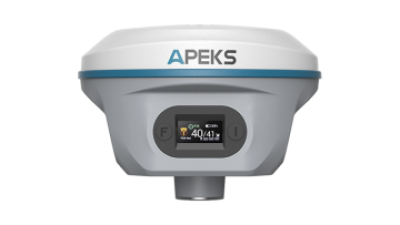
The AP20 GNSS receiver stands out in the increasingly competitive market for precision positioning technology. This advanced receiver is engineered to enhance accuracy across a diverse range of applications, particularly in surveying, agriculture, and construction. By leveraging multi-frequency and multi-constellation satellite signals, the AP20 offers centimeter-level accuracy, addressing the growing demand for precise location data in various sectors. According to the International GNSS Service, the accuracy of GNSS positioning has improved significantly, with advancements in receiver technology like the AP20 being a critical factor.
One of the key features of the AP20 is its real-time kinematic (RTK) capabilities, allowing users to achieve rapid and reliable positioning. In surveying, this capability translates to more efficient workflows, significantly reducing the time spent on data collection—an aspect highlighted by the Surveying and Geomatics Engineering Journal, which reports that RTK technology can improve data accuracy and efficiency by up to 50%. Furthermore, the AP20's robustness and resistance to interference ensure seamless operation in challenging environments, making it ideal for construction sites where signal obstructions are common.
Additionally, the AP20 integrates easily with existing systems, showcasing its versatility in applications ranging from precision agriculture to autonomous vehicle navigation. A report from the Global Navigation Satellite Systems Forum emphasizes that the integration of advanced GNSS technology is critical for enhancing productivity in agriculture, with farmers able to optimize their operations through precise data for planting and harvesting. The AP20 GNSS receiver thus not only exemplifies cutting-edge technology but also addresses the evolving needs of industries that rely heavily on accurate positioning.
FAQS
: The product aims to improve daily productivity. It helps users organize tasks effectively.
Anyone looking to manage time better can use it. Professionals, students, and homemakers find it useful.
Begin by setting up an account. Follow the on-screen instructions for a smooth start.
Some users may find it challenging at first. Regular use can lead to significant improvement over time.
Users often struggle with initial customization. Adjusting settings may require persistence and patience.
Yes, the product supports multiple devices. This allows convenient access anywhere, anytime.
Focus on task prioritization and reminder settings. Experiment with different layouts to find what suits you.
Check the help section for troubleshooting tips. If problems persist, consider reaching out for support.
Set achievable goals and track your progress. Celebrate small victories to maintain motivation.
Yes, user feedback plays a key role in improvements. Suggestions often lead to valuable updates.
Conclusion
Carbon telescopic poles are increasingly recognized for their compatibility with GNSS technology, offering enhanced accuracy for various surveying and mapping applications. This article provides an overview of the importance of these poles, highlighting key factors that influence GNSS accuracy, such as pole stability, material quality, and height adjustments.
Additionally, it discusses the top features to look for in high-quality carbon telescopic poles, while comparing leading options in the market. User recommendations are provided to assist in selecting the best carbon pole, alongside best practices for maximizing GNSS accuracy during usage. Finally, the article explores future trends in carbon telescopic pole and GNSS innovations, emphasizing the ongoing developments that promise to enhance performance and reliability in field operations.