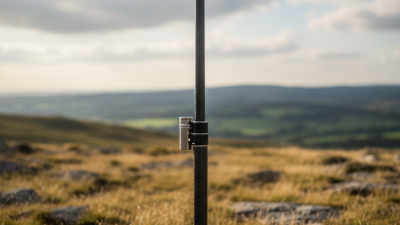
Surveying is such a vital part of so many industries, you know? Accuracy and dependability really matter in this line of work. The tools we use have to be top-notch. One cool new option is the Carbon Telescopic Pole Gnss. Honestly, it’s a pretty clever design — tough but lightweight at the same time. Surveyors often run into issues with traditional gear, but this gadget kind of solves a lot of those problems.
It’s made from high-quality carbon fiber, which makes it super strong. Like, it won’t bend or snap easily, even under pressure. Plus, the telescoping feature makes adjusting the height a breeze. Perfect for working in all kinds of terrains. That said, some folks might find setting it up a little tricky at first. But with a bit of practice, it’s smooth sailing.
Picking the right tools can really make or break a project. The Carbon Telescopic Pole Gnss really shines when it comes to being portable and easy to handle. Surveyors should think carefully about what they need. While this tool is pretty awesome, taking the time to understand what it can do will definitely give you the best results.
Benefits of Using Carbon Telescopic Poles in GNSS Surveying
Carbon telescopic poleshave revolutionized Gnss Surveying. Their lightweight nature makes them easy to transport. Surveyors can carry multiple poles without added fatigue. This has become essential in remote locations. According to a recent industry report, using carbon poles improves efficiency by up to30%. Surveyors benefit from reduced physical strain and increased productivity.
Durability is another key benefit. Carbon poles resist environmental factors better than traditional materials. They can withstand extreme temperatures and moisture, enhancing their longevity. A survey conducted by industry experts found that carbon poles last 50% longer than aluminum counterparts. However, some surveyors still hesitate due to perceived cost.
Flexibility in design adds to their appeal. Carbon poles come in various lengths to suit different surveying tasks. This adaptability simplifies adjustments in the field. Many users appreciate how easy these poles are to set up and take down. Still, not all surveyors are fully convinced. There is a need for further education on their advantages, particularly for new professionals in the field.
Comparison of Material Strength: Carbon vs. Aluminum in Telescopic Poles
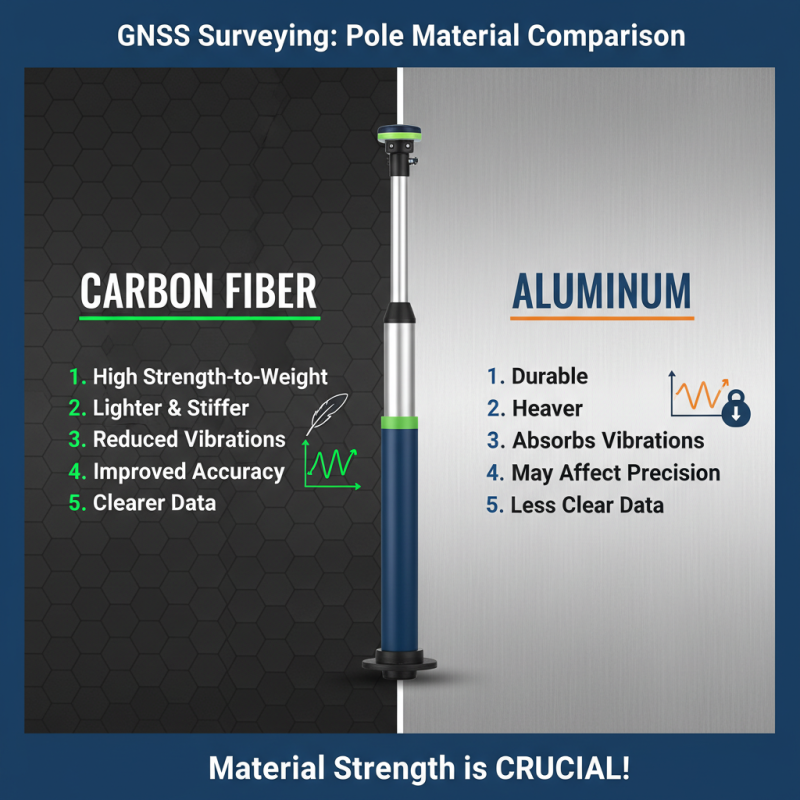
When it comes to choosing telescopic poles for GNSS surveying, material strength is crucial. Carbon and aluminum are the two primary options. Carbon poles are known for their high strength-to-weight ratio. They are lighter and stiffer, reducing vibrations during measurements. This means clearer data and improved accuracy. In contrast, aluminum poles, while durable, can be heavier. They absorb vibrations, which may affect precision.
A recent industry report states that carbon poles can be up to 30% lighter than aluminum counterparts. This weight advantage can significantly improve portability and ease of use in the field. Surveyors often face challenging terrains. Carrying lightweight materials becomes essential in these situations. Remember that weight impacts fatigue and productivity.
Tip: When selecting a pole, consider the terrain. Heavier materials can wear you out quickly. Also, don't overlook the ergonomic design. It plays a key role in comfort during use and can influence the quality of your work. A carefully chosen pole could save time and energy on long survey days.
Lightweight Design: Enhancing Portability and Efficiency in Field Surveys
When it comes to field surveys, portability is key. The carbon telescopic pole is a game-changer. Its lightweight design allows for easy transport, making it a favorite among surveyors. Imagine carrying a pole that feels almost weightless. This translates to less fatigue during long working hours in the field.
Additionally, the Telescopic Rtk Pole can be adjusted quickly. You can change its height with minimal effort. This aspect enhances efficiency, especially in uneven terrains. While some may struggle with heavier equipment, using a carbon pole can make a difference. Proper handling of such tools can boost your productivity.
Tip: Always check the locking mechanism before use. A secure lock ensures stability in measurements. Also, try to practice using the pole in your workspace before heading out. This can help you familiarize yourself with its adjustments. Remember, comfort and familiarity will improve your overall performance on-site.
Durability and Weather Resistance of Carbon Fiber Telescopic Poles
When selecting a telescopic pole for GNSS surveying, durability and weather resistance should be paramount. Carbon fiber poles offer exceptional strength without added weight. They can withstand harsh weather conditions better than traditional materials. Rain, wind, and extreme temperatures are not a problem for these poles. Their resilience makes them ideal for outdoor surveying tasks.
The lightweight nature of carbon fiber allows for easy handling. However, it’s important to ensure that the pole is not overextended during use. Always check for any cracks or defects before deploying. Inspection is crucial for safety and effectiveness in the field.
Tip: Store your carbon pole in a dry place to enhance its longevity. Prolonged exposure to moisture can weaken any material, including carbon fiber. Even though carbon poles are resistant, they still need care. Treat your gear well for optimal performance.
Be mindful of how you transport your Surveying Equipment. Using a padded bag can protect it from bumps.Damage can occur during transit, impacting performance. Evaluate your handling practices to maintain the integrity of your gear.
Impact of Pole Stability on GNSS Measurement Accuracy in Surveying
When it comes to surveying, the stability of the Gnss Pole plays a critical role in measurement accuracy. A stable GNSS pole ensures that the data collected is reliable. Unstable poles can lead to shifting measurements, causing errors in the final results. In windy conditions, a lightweight pole may sway and compromise the readings. Choosing a sturdy design helps minimize these impacts.
Tips for maintaining pole stability: Always check your pole before starting. Make sure the base is secure and level. If conditions worsen, consider adjusting your technique. Experiment with weights if necessary, but ensure they comply with safety standards. A solid base leads to sound results.
Using a GNSS pole made of carbon can enhance stability. This material combines lightness with strength. It reduces the likelihood of bending or breaking. A durable pole withstands environmental pressures better than cheaper alternatives. However, even the best carbon poles can be affected by human error. Ensure correct setup and calibration to achieve the best results.
Impact of Pole Stability on GNSS Measurement Accuracy in Surveying
Cost Analysis: Long-Term Savings with Carbon Telescopic Poles
Choosing a Gnss Carbon Fiber Pole for surveying can lead to significant long-term savings. The initial investment may seem higher compared to traditional materials, but the durability of carbon fiber pays off. Carbon poles resist corrosion, which means fewer replacements over time. This longevity reduces overall costs in the long run.
Additionally, these poles are lightweight. Surveyors can easily carry them throughout a job site, increasing efficiency. However, some users might initially struggle with the balance during setups. This adjustment period shouldn't deter you. With practice, many find that working with GNSS Carbon Fiber Poles enhances their productivity.
Lastly, consider maintenance costs. Carbon fiber poles require less upkeep than wooden or metal counterparts. They don’t warp or bend easily, minimizing repairs. While the upfront price might cause hesitation, the sustainable benefits become clear over time. It's essential to weigh these factors and reflect on your specific needs in the field.
User Experience: Feedback from Surveying Professionals Using Carbon Poles
Surveying professionals have shared valuable insights on their experience with carbon telescopic poles, particularly the Gnss Folding Carbon Pole. Many users appreciate the lightweight design, which significantly reduces fatigue during long surveying sessions. This is especially crucial when working in remote or rugged areas. However, some professionals have noted the need for careful handling. While the poles are strong, accidental drops can lead to damage.
Another common feedback point revolves around the stability of the Gnss Folding Carbon Pole. Most users report excellent signal reception, essential for accurate data collection. Yet, a few have experienced wobbling under certain conditions, such as windy weather. This raises questions about the overall balance and grip when the pole is fully extended. Proper ground preparation is essential to mitigate these issues.
While the advantages of these carbon poles are clear, it's important for users to remain cautious. Regular checks and maintenance can enhance their longevity. Some professionals suggest considering weather conditions beforehand. Overall, user experience highlights both the strengths and weaknesses of using a carbon telescopic pole for surveying tasks.
FAQS
: Set clear goals. Break tasks into smaller steps. Prioritize what matters most.
Take short breaks. Practice deep breathing. Exercise regularly to release tension.
Reflect on your goals. Change your environment. Sometimes, take a step back for clarity.
Engage actively with the material. Teach someone else what you learn. Use visual aids to retain information.
It helps prioritize tasks. Good time management reduces stress. Balancing work and personal life is crucial.
Start small and be consistent. Track your progress regularly. Reflect on your successes and struggles.
It improves focus and reduces anxiety. Being present enhances emotional well-being. Regular practice has long-term effects.
Constant fatigue, cynicism, and feeling detached. Lack of motivation can signal deep exhaustion.
Set boundaries between work and personal time. Make time for hobbies and relaxation. Regularly reassess priorities.
Reflect on what went wrong. Learn from mistakes, rather than dwell on them. Every failure teaches a valuable lesson.
Conclusion
The article "Why Choose Carbon Telescopic Pole Gnss for Surveying?" highlights the numerous advantages of utilizing carbon telescopic poles in GNSS surveying. One of the primary benefits is their superior strength compared to aluminum poles, which contributes to better durability and weather resistance, ensuring reliability in various field conditions. The lightweight design of carbon poles significantly enhances portability and efficiency, making them ideal for surveyors who often work in challenging environments.
The stability provided by carbon telescopic poles plays a crucial role in improving GNSS measurement accuracy, a vital aspect in the surveying process. Additionally, while the initial costs may be higher, a comprehensive cost analysis reveals that carbon poles offer long-term savings due to their longevity and reduced maintenance needs. Feedback from surveying professionals further supports the shift towards carbon telescopic poles, underscoring their positive impact on field operations. Overall, the transition to Carbon Telescopic Pole Gnss represents a practical choice for enhanced surveying performance.